
Multihead Weigher Indonesia for Accurate Food Packing
Indonesian food factories need reliable weighing because manual work limits output and causes weight differences between packs. A multihead weigher combines several hopper weights to reach the target portion, supports fast packing, reduces underweight, and limits unnecessary product giveaway.
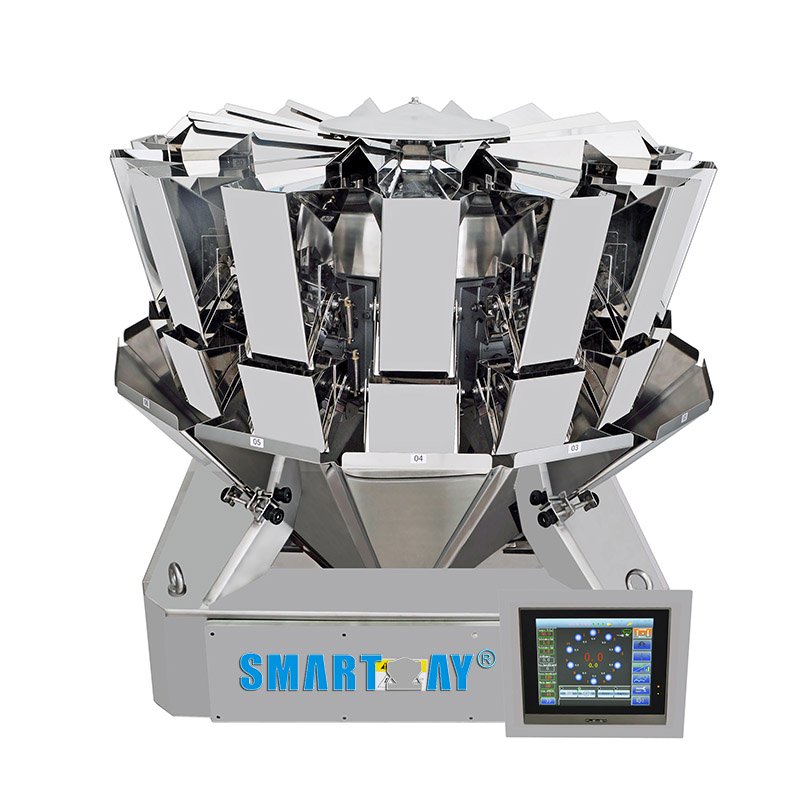
Why Multihead Weighing Works
Different foods need different feeding methods, hopper surfaces, and discharge designs. This page helps you select a suitable configuration for your production line.
Smart Weigh models provide precise portioning, product-specific feeding, simple cleaning, and flexible connection with different packaging systems. These functions improve output, control overweight, protect food quality, and reduce manual handling. Operators can also change recipes and clean contact parts more easily.
Quick Selection Tips
- • Match hopper volume to product volume, not only weight.
- • Consider feeding method for sticky or fragile items.
- • Ensure bagger speed matches weigher capacity.
Application
The multihead weigher supports a wide range of Indonesian food products and selected non-food items with the right feeding and surface configuration.
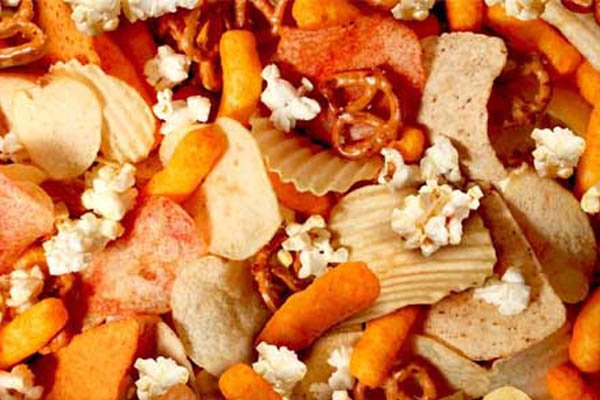
Snack Producers
Keripik, kerupuk, popcorn, and extruded snacks.

Confectionery Plants
Candy, jelly, chocolate, and coated products.
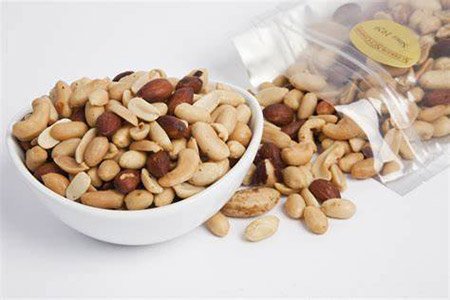
Nut Processors
Peanuts, cashews, mixed nuts, and dried fruit.

Frozen Food Plants
Nuggets, French fries, meatballs, seafood, and IQF vegetables.
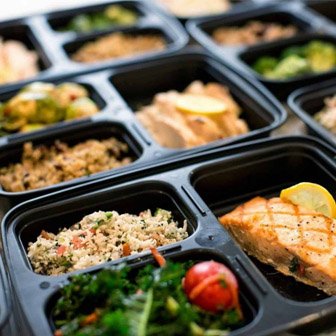
Ready Meal Factories
Belt models for cooked meat, fish, vegetables, and sticky food.
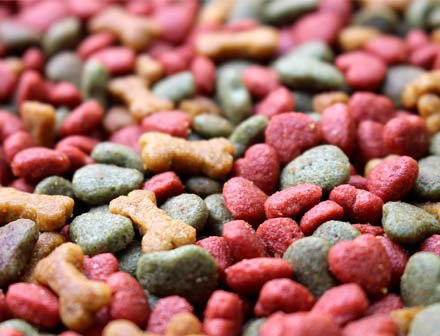
Pet Food Producers
Screw feeding models for tuna flakes and wet meat chunks.

Coffee and Grain
Coffee beans, cereal, rice, and other granules.
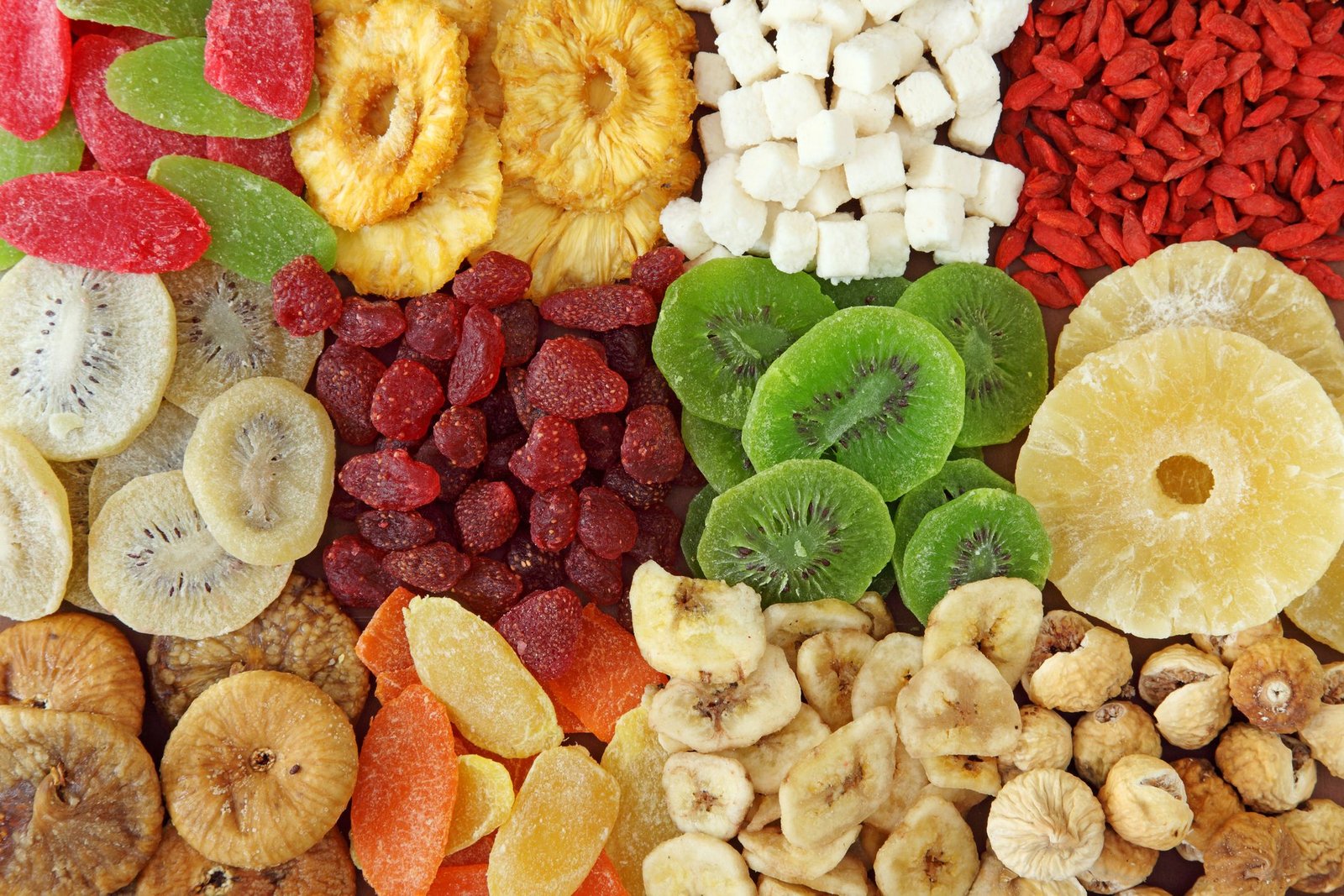
Dried fruits
Dried fruits such as dried mangoes, dried pineapple and etc.
Package Style
The weighing unit measures each portion, and the connected packing equipment forms or fills the final package. The available pack size and film structure depend on the downstream packaging equipment.
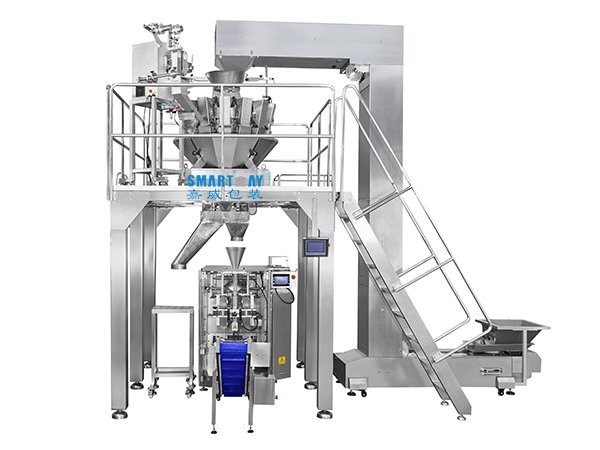
VFFS System
Forms pillow, gusset, and block-bottom bags from roll film with high-speed vertical sealing.

Pouch Packing System
Fills premade stand-up and zipper pouches with consistent sealing and minimal changeover time.
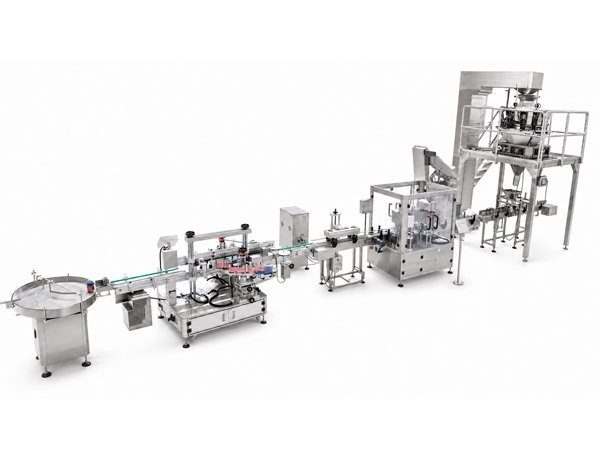
Jar Packing System
Discharges precise portions into jars and bottles for sauces, powders, or granular products.
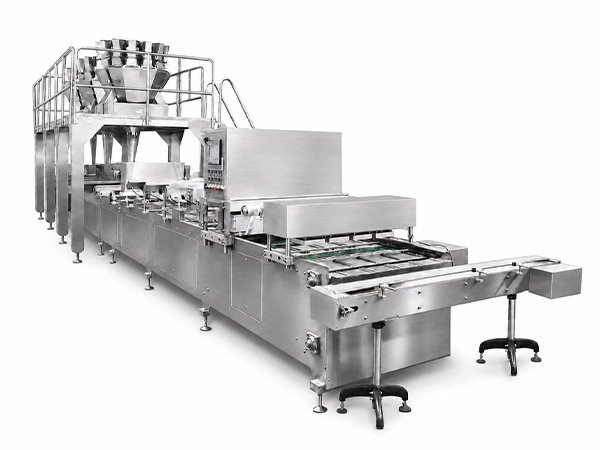
Tray Packing System
Loads trays and cups for ready meals, fresh proteins, and chilled or frozen products.
Specifications by Head Count
Choose the head count based on target output, product flow, and accuracy requirements. Below are typical, brief specifications for common multihead weigher configurations.
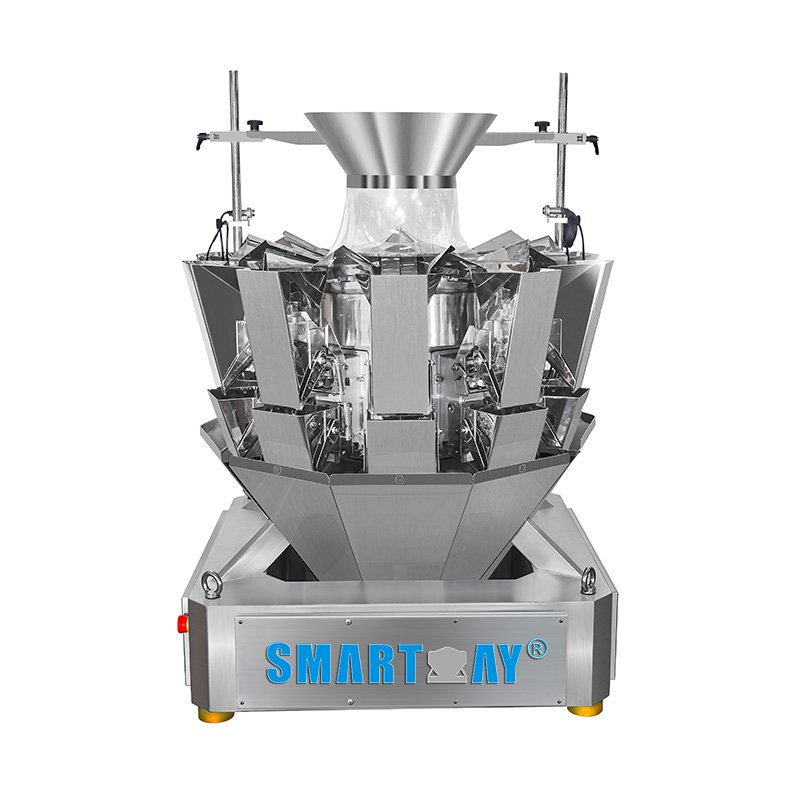
Entry-Level Efficiency
- Typical output: 40-60 weighments/min
- Portion range: small to medium packs
- Best for: simple products, budget lines
- Accuracy: tight control for steady flow
Balanced Performance
- Typical output: 60-90 weighments/min
- Portion range: flexible, wide SKU mix
- Best for: snacks, frozen, granular foods
- Accuracy: stable ±0.5 g on suitable items
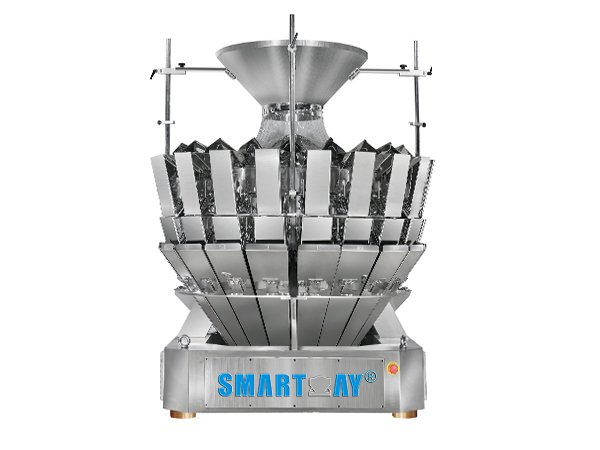
High-Speed Core Line
- Typical output: 80-120 weighments/min
- Portion range: medium to large packs
- Best for: high-volume snacks and mixes
- Accuracy: enhanced control for tighter tolerances
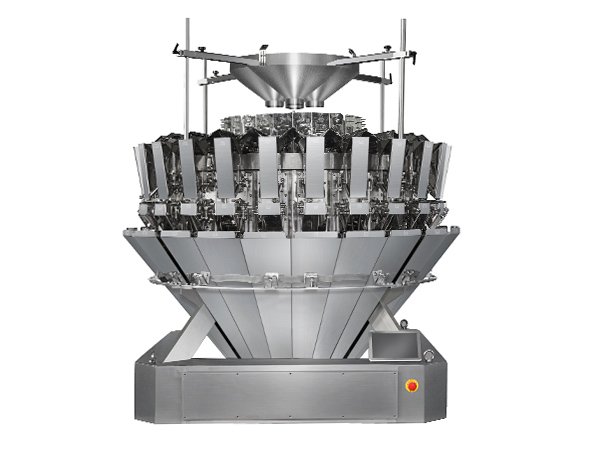
Multi-Mix Specialist
- Typical output: 100-140 weighments/min
- Portion range: varied weights and textures
- Best for: complex mixes and premium SKUs
- Accuracy: optimized for narrow giveaways
Maximum Speed & Precision
- Typical output: 120-180 weighments/min
- Portion range: wide, multi-lane dosing
- Best for: ultra-high throughput lines
- Accuracy: best-in-class for complex mixes
Final specifications depend on product texture, target weight, and upstream feeding stability. Our team validates product volume and weight together before confirming the model.
FAQ
These questions cover product testing, model selection, integration, cleaning, installation, training, and after-sales service.
Q1: Which products can the equipment weigh?
Standard configurations handle snacks, candy, nuts, coffee beans, cereal, rice, and other free-flowing foods. Waterproof versions suit frozen or wet products. Belt-fed systems portion sticky meat and ready meal ingredients. Screw-fed systems work with tuna flakes, wet meat chunks, and similar materials.
Q2: Should I select a 10-head or 14-head model?
A 10-head option suits common products and moderate output. A 14-head version creates more weight combinations and usually supports faster operation or closer weight control. The best choice depends on portion size, product flow, bagging speed, tolerance, and budget.
Q3: How does combination weighing reduce giveaway?
The controller compares different hopper groups and releases the result closest to the target. This process limits unnecessary overfill compared with manual portioning or simple volumetric filling. The potential saving depends on current overfill, ingredient cost, and daily pack volume.
Q4: Can the system connect with an existing packing machine?
Many models can work with VFFS baggers, premade pouch machines, tray lines, jar fillers, and can filling systems. The technical team checks control signal, discharge height, operating rate, product path, and available space before confirming compatibility.
Q5: Can Smart Weigh provide the complete line?
Smart Weigh can supply the feeder, weighing platform, packing unit, date printer, checkweigher, metal detector, labeler, case packer, and palletizing equipment. Central control is also available for suitable projects.
Q6: How do operators clean the food-contact area?
Operators can remove hoppers, chutes, and other contact parts for separate washing. Waterproof versions allow more complete washdown for wet, oily, or frozen products. The correct cleaning method depends on the food and factory hygiene plan.
Q7: How long do installation and training take?
The schedule depends on the project size and factory preparation. A single weighing unit takes less time than an integrated line. Operator training covers production settings, recipe changes, washing, routine care, and basic fault checks.
Q8: Can my product be tested before production?
Smart Weigh can arrange testing when the buyer sends representative samples. The trial checks feeding, weight results, output, sticking, breakage, and discharge. Video and test data can support the final equipment decision.
Q9: What support is available in Indonesia?
The Indonesia team supports project discussion, layout planning, installation coordination, operator instruction, and after-sales communication. Local staff can also work with the China engineering team for technical changes and complete-line projects.
A Smart Weigh multihead weigher provides fast and controlled portioning for many food products. Product-specific designs improve flow, reduce damage, and make cleaning easier. Smart Weigh Indonesia can supply a single weighing unit or an integrated packing line. Local support covers testing, layout planning, installation, training, and after-sales service.
Contact Smart Weigh Indonesia for a quotation, sample test, factory layout, or complete weighing and packing proposal.