
A fast coffee packing machine still causes losses if the filler is wrong. Uneven bag weights, broken beans, and dusty seals can slow production.
Coffee beans usually use a linear or multihead weigher. Ground coffee often uses an auger filler. The right setup depends on how the coffee flows, the weight of each bag, and your required speed. The filler must also work properly with the packing machine.
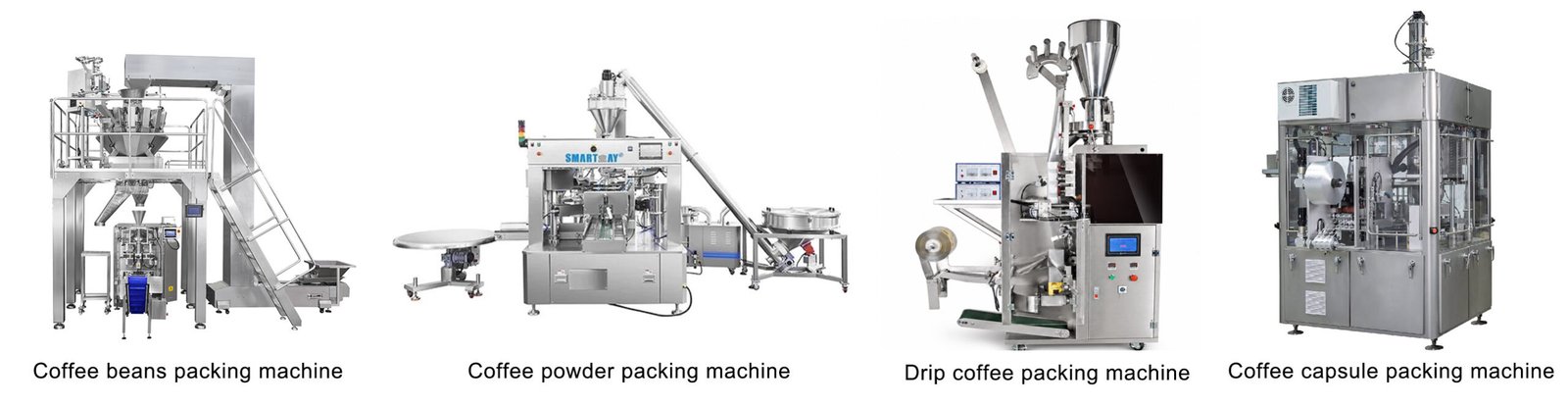
At Smart Weigh, we start with the product and the production plan. You may pack roasted beans today and add kopi bubuk later. Both products may use a 250 g bag, but the feeding and filling parts still need checking. We assess these parts before we recommend the complete line.
What Is Different When You Fill Beans and Ground Coffee?
The same bag size can hide different filling problems. Beans may break during transfer, while ground coffee can leave dust around the bag mouth.
We check beans for steady feeding and gentle transfer. We check ground coffee for powder flow, weight changes, and dust during filling. These differences affect the feeder, measuring method, filling outlet, and timing before the bag is sealed.
Follow the Coffee Through the Line
We separate the line into three jobs. The feeding system supplies the coffee. The filler prepares one portion. The packing machine receives that portion and seals the bag.
For beans, a weigher can measure a portion before releasing it. For ground coffee, an auger often controls delivery through a screw and outlet. The way we control the portion is different.
| What we check | Coffee beans | Ground coffee |
|---|---|---|
| Feeding | Beans move along feeder trays | Powder flow depends on grind and condition |
| Handling | Beans can chip at transfer points | Powder can spread around the outlet |
| Measuring | A weigher measures the portion | A volumetric auger controls screw turns |
| Sealing | Beans must clear the chute | Powder must stay away from the seal |
We also check how much space the coffee needs. Two portions with the same weight can take up different volumes. The hopper, bag, and outlet must have enough room for the actual product.
Ground coffee can also settle differently during storage and feeding. This matters when the filler controls volume rather than directly measuring weight.
We therefore assess the coffee sample together with the pack size. A bag specification alone does not tell us whether the product will feed, fill, and seal properly.
Which Weigher Should You Use for Coffee Beans?
Choosing a weigher by head count alone can leave you with the wrong capacity. We first check the bag weight and finished packing speed.
A linear weigher can suit coffee beans when its tested speed meets your output. A multihead weigher combines weighed portions to reach the target weight. We compare actual speed, extra coffee per bag, space, and equipment cost.
Linear Weigher or Multihead Weigher?
A linear weigher feeds beans into a weighing hopper until the required portion is reached. A multihead weigher weighs several smaller portions and selects a combination close to the target weight.
We compare both options with your actual pack sizes. A setup that runs well at 250 g still needs checking at 1 kg. The larger portion needs more hopper space and may take longer to prepare or discharge.
The useful speed is the number of correctly filled and sealed bags. A fast weighing cycle helps only when the packing machine can receive every portion.
Keep the Transfer Gentle
We check the points where beans leave the conveyor, enter the hoppers, and fall into the bag. We review drop height, sharp impacts, and feeder settings.
We also compare beans before and after the test. This shows whether the line adds chips or broken pieces.
The discharge signal matters too. We release the beans when the bag is ready, and we allow the portion to clear the chute before sealing starts.
Why Is an Auger Filler Often Used for Ground Coffee?
Ground coffee can create weight changes and dusty seals during filling. Turning up the machine speed may make these problems harder to control.
An auger filler uses a rotating screw to deliver ground coffee through an outlet. We select the screw and filling settings for the product and bag weight. We also check supply to the hopper, actual fill weight, and dust around the seal.
The Same Screw Turns May Give a Different Weight
A volumetric auger controls the dose through screw rotation. It does not directly measure the weight of that dose.
Bulk density explains why this matters. The same volume of loosely filled ground coffee may weigh less than a more settled volume. Grind size and feeding conditions can also affect the result.
We therefore check bag weights after the hopper is refilled and as the product level changes. Steady replenishment and suitable stirring help keep the supply more consistent.
We can assess weight feedback where needed. A checkweigher checks the pack after filling and can provide correction signals if the system supports them. A filler that weighs during filling controls the dose against a measured weight. These are different arrangements.
Keep Powder Away from the Seal
We check where the filling nozzle ends and how the powder enters the bag. We also allow enough time between filling and sealing.
Dust collection needs proper positioning and adjustment. It should collect escaping dust without pulling coffee out of the bag.
We inspect the outlet after repeated cycles. If coffee keeps collecting there, we review the outlet design, feeding, and timing. Faster screw rotation alone does not solve every filling problem.
Can You Pack Both Products on the Same Machine?
One shared machine can save space, but a long product change can reduce daily output. We check the complete changeover before recommending this arrangement.
A VFFS or premade pouch machine may pack both beans and ground coffee if the full setup supports them. We check the filler connection, product supply, controls, cleaning, and bag requirements. Changing a touchscreen recipe alone may not complete the changeover.
Check What Must Change Between Products
We treat the packing machine and the filler as separate parts of the line. The bagging machine may remain suitable, while the feeding and filling parts need changing.
We check how each filler fits above the machine. We also check available height, the filling outlet, and the signals between the two units. The filler must release coffee only when the packing machine is ready.
Some specially designed auger systems can handle both beans and ground coffee. We still need sample tests to confirm bean condition, weight control, and speed.
Cleaning also affects the decision. We check how operators empty the product path and reach the hopper, screw, or weighing parts.
If you run beans for several days before changing to ground coffee, a shared line may be practical. If both products need daily production, we compare the time lost against separate lines.
We assess nitrogen flushing and coffee valves separately. These packaging features do not decide the filling method by themselves.
What Should You Test Before You Order the Machine?
A short machine video may show good filling without showing refill problems or rejected bags. We need a test that reflects your normal production.
We test your coffee, bag materials, main pack weight, and required speed. We also check smaller and larger packs, hopper refills, short stops, product damage, and seal quality. We measure good finished bags rather than machine cycles alone.
Use Your Product and Record the Results
We ask for the roasted beans and ground coffee your factory normally packs. If you sell different grinds or coffee types, we include the versions that may change feeding or filling.
We start with your main selling weight. We then test the smallest and largest planned packs with the correct bags or film.
| Test point | What we record |
|---|---|
| Weight | Average weight, variation, and extra coffee per bag |
| Output | Good sealed bags per minute and rejected bags |
| Handling | Added bean damage, spillage, and dust |
| Restart | Filling results after refills and short stops |
| Changeover | Time to empty, clean, and restart the line |
We check the complete run, including the time needed to refill and clear minor stops. We also inspect the seal area instead of judging bags by appearance alone.
Before the order, we agree on the target weights, acceptable weight variation, required output, and test materials. This gives both sides a clear basis for checking the machine.
Send Smart Weigh Indonesia your coffee samples, bag sizes, pack weights, and required bags per minute. We can review the filling setup around your production needs.
Conclusion
We match the filler to your coffee, bag weight, and production speed. We confirm the full setup through product tests before you commit to the machine.