
Nitrogen flushing can extend nut freshness, but it also affects machine speed, configuration, gas consumption, and operating cost.
Not every nuts packing machine needs nitrogen flushing. It is more suitable for roasted nuts, premium products, export orders, and packs requiring a longer shelf life. The decision should be based on bag format, shelf-life target, film barrier, required speed, and residual oxygen—not the machine option alone.
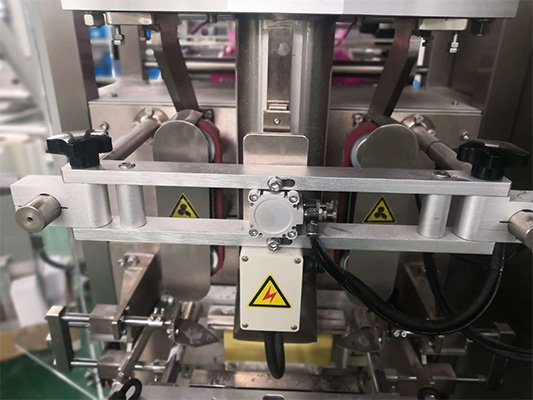
Nitrogen flushing should be considered when selecting the packing machine. Adding it later may require changes to the gas system, controls, sealing process, and production speed.
When Does a Nuts Packing Machine Need Nitrogen Flushing?
Some factories add nitrogen to every product, while others remove it to save cost. Both approaches can lead to unnecessary spending or poor shelf life.
Nitrogen flushing is usually recommended for long-life retail packs, premium nuts, large distribution areas, and export products. It may not be necessary for products with fast local turnover if their shelf life has already been validated with suitable film and reliable seals.
The factory should consider:
- Nut type and processing method
- Required shelf life
- Local sales or export
- Bag size and headspace
- Packaging-film barrier
- Storage and distribution time
- Current rancidity complaints
- Target retail positioning
| Production Situation | Nitrogen Recommendation |
|---|---|
| Small pillow bags for fast local sales | Optional after testing |
| Roasted peanuts with a longer shelf life | Recommended for evaluation |
| Premium cashews or almonds | Usually recommended |
| Mixed nuts in zipper pouches | Usually recommended |
| Products for export | More strongly recommended |
| Vacuum-packed bulk nuts | May not be necessary |
| Nuts in jars or cans | Depends on the sealing method and shelf-life target |
One packing machine can handle both nitrogen-flushed and normal-air products. The operator can activate or stop nitrogen according to the stored product recipe.
How Does Nitrogen Flushing Work on Different Nuts Packing Machines?
The flushing position and process depend on whether the factory uses roll-film bags, premade pouches, or rigid containers.
A VFFS machine introduces nitrogen through the forming tube before sealing. A premade pouch machine flushes the opened pouch before final sealing. Jar and can lines position a gas nozzle between filling and container closing.
VFFS Nuts Packing Machine
A VFFS system normally follows this process:
Automatic feeding → multihead weighing → bag forming → nitrogen flushing → nut filling → sealing → discharge
VFFS machines are suitable for high-volume pillow, gusset, and quad bags. The nitrogen tube is normally installed near the forming tube so gas can enter before the top seal closes.
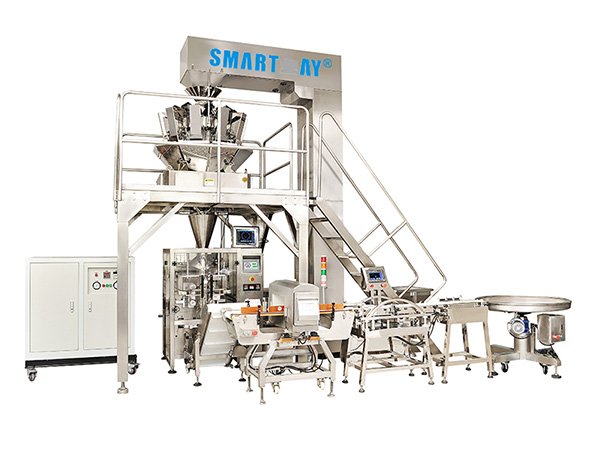
The system must coordinate gas flow with:
- Bag length
- Film movement
- Nut discharge
- Filling time
- Sealing time
- Machine speed
For high-output peanut or mixed-nut factories, a high-speed or twin VFFS machine may be needed to maintain total output while providing enough flushing time.
Premade Pouch Packing Machine
A premade pouch line normally follows this process:
Pouch feeding → pouch opening → weighing and filling → nitrogen flushing → sealing → discharge
This machine is suitable for stand-up, zipper, and flat-bottom pouches used for premium cashews, almonds, pistachios, and mixed nuts.
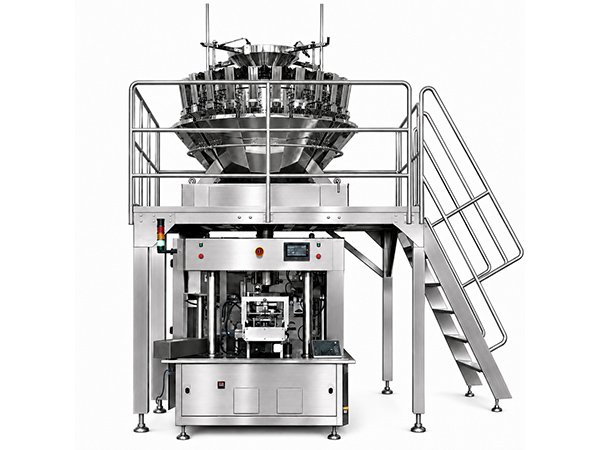
Large pouches or stricter residual-oxygen requirements may need more flushing time. Separate filling, flushing, and sealing stations can help maintain speed.
Jar or Can Filling Line
A container line can include:
Container feeding → weighing → filling → nitrogen flushing → sealing or capping → labeling → inspection
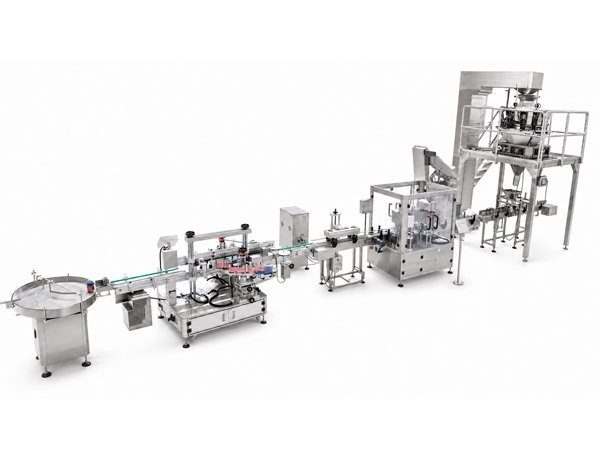
The supplier must check container volume, opening size, headspace, sealing method, and line speed before positioning the nitrogen nozzle.
Will Nitrogen Flushing Reduce Packing Speed?
A machine may reach its advertised speed without nitrogen but run slower when gas flushing is activated.
Nitrogen flushing may reduce speed because the machine needs time to replace the air before sealing. The actual effect depends on bag size, headspace, gas flow, residual-oxygen target, and sealing time. Speed should always be confirmed with nitrogen flushing activated.
The supplier should test the machine using:
- Actual nuts
- Target pack weight
- Final bag dimensions
- Customer’s packaging film
- Nitrogen flushing
- Date coding
- Required sealing settings
| Factor | Effect on Production |
|---|---|
| Larger bag | Requires more gas and flushing time |
| More headspace | Requires more air displacement |
| Higher speed | Leaves less time for flushing |
| Lower residual-oxygen target | May require longer flushing |
| Zipper pouch | Adds opening and sealing steps |
| Multiple flushing stations | Provides more processing time |
| Twin packing system | Increases total line output |
A factory requiring 80 bags per minute should confirm that the machine can maintain this speed with nitrogen turned on.
If a standard machine cannot reach the required capacity, possible solutions include:
- High-speed VFFS machine
- Twin-lane VFFS machine
- Two packing machines under one weighing system
- Dual premade pouch machine
- Separate nitrogen-flushing and sealing stations
What Configuration Does the Packing Machine Need?
A gas pipe alone is not enough for stable industrial production. The machine needs controlled gas flow and a sealing system that maintains the protective atmosphere.
The main configuration may include a nitrogen inlet, regulator, flow meter, solenoid valve, flushing tube, pressure alarm, gas-timing control, and recipe settings. The factory also needs suitable barrier film and residual-oxygen testing equipment.
The required components can include:
- Nitrogen inlet
- Pressure regulator
- Flow meter
- Flushing tube or nozzle
- Gas-timing control
- Low-pressure alarm
- PLC recipe storage
- Stable sealing-temperature control
- Residual-oxygen analyzer
- Leak-testing equipment
The machine should trigger an alarm if the nitrogen pressure becomes too low. Otherwise, it may continue producing bags that look normal but do not meet the required oxygen level.
The nitrogen settings should change with the recipe. A 50 g peanut bag will not use the same gas time and flow as a 500 g mixed-nut pouch.
The nitrogen supply can come from:
- Gas cylinders
- Central factory supply
- Bulk nitrogen storage
- On-site nitrogen generator
The correct source depends on machine quantity, bag size, line speed, working hours, and local gas cost.
How Should the Machine Be Tested Before Purchase?
An empty-bag demonstration cannot confirm nitrogen performance under real production conditions.
The factory acceptance test should use the customer’s nuts, film, bag size, and target weight. It should verify stable speed, residual oxygen, seal quality, nitrogen consumption, low-pressure alarms, and continuous production performance.
The acceptance test should check:
- Multihead-weigher accuracy
- Stable speed with nitrogen activated
- Nitrogen pressure and flow
- Residual oxygen after sealing
- Bag appearance
- Seal strength
- Seal contamination
- Gas consumption per hour
- Low-pressure alarm
- Response when gas supply stops
- Recipe changeover
- Continuous production stability
An inflated bag does not prove that nitrogen flushing is effective. The factory should measure residual oxygen and inspect the seal.
The factory should provide the supplier with:
- Nut samples
- Pack weights
- Bag dimensions
- Film specifications
- Required packing speed
- Shelf-life target
- Residual-oxygen target
- Daily working hours
- Available nitrogen source
- Need for flushed and non-flushed SKUs
Smart Weigh can then match the nitrogen system with a standard VFFS, high-speed VFFS, twin VFFS, premade pouch, or container filling line.
Conclusion
A nuts packing machine needs nitrogen flushing when shelf-life targets justify it, but speed, bag format, film, gas use, sealing, and testing must be evaluated together.